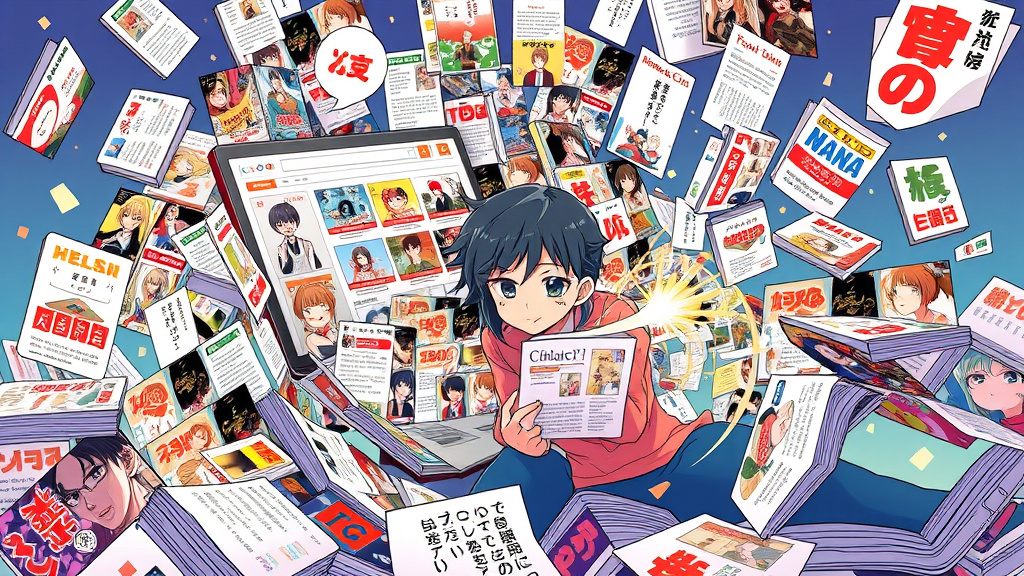
replica manga has steadily emerged as a noteworthy phenomenon within manga fandom and collection circles. As the demand for manga—original or otherwise—continues to grow worldwide, so too does the presence of replica manga, which often straddle the blurred line between legal gray areas and passionate fan engagement. This article delves into the intricacies of replica manga, analyzing its origins, market dynamics, ethical considerations, and what it means for the future of manga fandom. Whether you're a seasoned collector, a casual reader, or someone interested in the manga industry’s evolving landscape, understanding the replica manga phenomenon offers profound insights into the complexities of authenticity, accessibility, and intellectual property in the digital age.
Main Keyword: replica manga
The Rise of Replica Manga - Understanding the Phenomenon
Replica manga’s emergence is rooted in the increasing global demand for manga and the lingering obstacles many face in accessing official publications. With manga being a culturally rich yet often costly commodity, many fans turn to replica options as an affordable alternative. What initially started as underground printings or unofficial copies has evolved into a significant segment of manga consumption that influences both reader behavior and the broader collectibles market. This rise can be attributed to factors like limited local availability, language barriers, and the high costs associated with official editions, which push fans toward replica manga as pragmatic solutions.
Moreover, the digital proliferation of manga, coupled with pirated scans and replica versions, has created an ecosystem where reproduction and distribution occur at an unprecedented scale. Replica manga now often exist in both physical forms—such as bootleg copies sold in underground markets—and digital formats. The phenomenon taps into deep-rooted fan passions. Many enthusiasts see replica manga as a way to access beloved stories without financial strain, while others may justify it through cultural or systemic reasons like censorship or limited release policies. However, this rise also raises questions about the sustainability of legal markets and the cultural value of authentic manga.
 Hình minh họa: free manga reading websites – replica manga
Authenticity vs. Affordability - Exploring the Replica Manga Market
The replica manga market thrives precisely because these copies often strike a delicate balance between affordability and perceived authenticity. For many fans, especially those in regions with limited access to official manga, replica versions are the only feasible way to delve into new series or maintain ongoing collections. This affordability factor is especially crucial for students, low-income collectors, or those wary of the prices charged by publishers and distributors. The replica market’s growth demonstrates a clear desire for accessible manga, even if it comes at the cost of perceived authenticity or quality.
However, this pursuit of affordability frequently leads to debates about the value of manga as an art form and intellectual property. Critics argue that replica manga undermines the industry, deprives creators of revenue, and damages the integrity of original work. Conversely, proponents emphasize the importance of cultural dissemination and equitable access. As digital piracy becomes more entrenched, the market adapts by offering cheaper, unofficial options, prompting official publishers to rethink pricing strategies and distribution models. This ongoing tension between authenticity and affordability shapes the trajectory of replica manga’s acceptance and regulation.

Identifying Replica Manga - Tips for Collectors and Readers
It requires a keen eye and some knowledge to distinguish replica manga from legitimate editions, especially as counterfeiters become increasingly sophisticated. One of the most straightforward methods is checking the print quality—replica manga often uses cheaper paper, lower resolution images, and inconsistent font styles. Cover materials and printing techniques can also serve as red flags; official manga typically employs high-quality printing, vibrant colors, and durable binding, while replicas tend to feel flimsy or poorly constructed.
Collectors can also scrutinize the packaging, ISBNs, and publisher information. Genuine manga will usually have official barcodes, properly formatted ISBNs, and matching publisher logos. For digital versions, it’s crucial to verify the source—reputable manga platforms and official sites are always safer than obscure download links or unofficial websites. Sharing knowledge and comparing editions within collector communities enhances awareness, allowing enthusiasts to uphold standards of authenticity and avoid inadvertently supporting illegal operations.
The Legal and Ethical Implications of Replica Manga Production
Producing and distributing replica manga inherently involves complex legal and ethical considerations. From a legal perspective, replica manga often infringes upon copyright laws, undermining the intellectual property rights of creators, publishers, and distributors. This infringement not only affects the revenue streams that sustain manga production but also diminishes incentives for creators to produce high-quality content. Many jurisdictions have clear laws banning unauthorized reproductions, yet enforcement remains problematic due to the international nature of digital markets.
Ethically, replica manga raises questions about respect for creators’ rights and the broader cultural impact. While fans may feel justified in obtaining replica versions due to high costs or regional restrictions, this mindset can diminish the value placed on original work, art, and storytelling. Furthermore, replica production can sometimes involve poor working conditions, minimal royalties for artists, and environmentally hazardous practices—especially with poorly printed or cheaply manufactured copies. Consequently, engaging with replica manga calls for a nuanced understanding of the delicate balance between supporting fandom and respecting intellectual labor.
Quality Concerns - A Critical Examination of Replica Manga Printing and Binding
One of the most obvious issues with replica manga is inconsistent quality, which directly impacts reader experience. Official manga is produced with high standards—quality paper, vibrant ink, durable binding, and precise printing—ensuring that the artwork and story are presented as intended by creators. Replica versions, however, often fall short in these areas; they may use cheaper paper that yellows over time, ink that smudges or fades, and binding that falls apart after limited use.
This compromised quality can diminish the immersive experience of reading manga and may even damage the artwork itself. Low-quality replica manga might seem like a cheaper imitation, but it risks damaging collectors' sentimental or monetary value of their collections over time. It also raises questions about the sustainability of poorly manufactured copies flooding the market, contributing to waste and environmental concerns. As the replica manga industry grows, there’s an urgent need for consumers to critically evaluate what level of quality they are willing to accept and how much they value the original artistic intent.
Building a Collection on a Budget - Strategies for Buying Replica Manga Responsibly
For those determined to expand their manga collection without straining their finances, exploring replica manga is an understandable option. However, responsible acquisition involves educating oneself about the risks and limitations associated with unofficial copies. Start by prioritizing reputable sources or online communities where collectors share experiences, reviews, and recommendations, which can help you avoid the worst quality replicas or outright scams. Moreover, consider mixing replica editions with purchased official manga, especially for titles that are out of print or difficult to find at a reasonable price.
A strategic approach is to focus on digital replicas or PDFs sourced from trusted fans and communities rather than buying physical copies blindly. When purchasing physical replicas, compare prices, examine reviews, and verify seller reputation. Additionally, think about supporting official releases whenever possible—sometimes waiting for discounts or second-hand sales can make official editions more affordable, reducing reliance on replica manga. For ethical reasons, collectors should also be transparent about their sources and respect the community’s standards to foster a responsible fandom.
Replica Manga Communities - Sharing Information and Experiences
Online communities dedicated to replica manga serve as vital hubs for sharing information, resources, and experiences. These spaces foster conversations around identifying genuine editions, discussing quality issues, and debating the ethical implications of replica production. Members can exchange tips on spotting knock-offs, highlight reputable sellers, and offer advice for building collections on a budget. These communities form a double-edged sword: they promote awareness and responsible consumption but also inevitably facilitate the unregulated trade of replica manga.
The role of these communities in shaping perceptions cannot be overstated—they influence how fans prioritize authenticity, affordability, and ethical considerations. Importantly, they also serve as support networks for newcomers navigating the complex landscape of manga piracy and replica options. As these groups grow larger, they hold the potential to push for more transparency and advocate for ethical standards within the fandom. The collective knowledge shared within these communities highlights the importance of critical thinking, ethical awareness, and shared passion for manga’s cultural significance.
The Impact of Replica Manga on Official Manga Sales
The proliferation of replica manga, while beneficial for some fans seeking affordable access, has tangible negative effects on official manga sales. When replica copies outperform or substitute for legitimate versions—especially in markets with limited distribution channels—publishers face serious revenue losses. These losses can lead to decreased investment in local releases, cancellations of print runs, or a reduction in the production of new titles, ultimately stifling the industry’s growth.
Furthermore, the presence of replica manga can devalue original editions, making it harder for publishers to establish sustainable pricing strategies. The risk is that fans might prefer replica versions for economic reasons, thus undermining the revenue that funds future manga projects. Conversely, some argue that replica manga also acts as a gateway, encouraging readers to support official channels when they become more financially capable. Navigating this complex impact requires a nuanced understanding of the local market dynamics, consumer behavior, and the importance of protecting intellectual property rights.
Replica Manga vs. Scanlations - A Comparative Analysis
While both replica manga and scanlations involve unauthorized reproduction, they occupy different niches within the piracy ecosystem. Replica manga focuses on physical copies—often printed to imitate official editions—whereas scanlations involve translated digital scans of manga made without approval. Both serve to make manga more accessible but do so through different channels and with varying degrees of ethical concern.
Scanlations are typically more prevalent among international fans who lack official translations or face high prices for imported editions. They provide instant access and often contain translations tailored to specific markets. However, they also raise serious issues regarding copyright infringement and the impact on official sales. Replica manga, on the other hand, offers tangible copies that resemble authentic editions, sometimes at a lower quality but with a sense of physical ownership that scanlations lack. The debate revolves around the ethics of localized piracy, with some viewing it as a necessary evil for cultural exchange, while others see it as a significant threat to creator rights.
The Future of Replica Manga - Trends and Predictions
Looking ahead, the landscape of replica manga is poised for further evolution driven by technological, legal, and cultural factors. Advances in printing technology could blur the line between replicas and official editions, making high-quality counterfeit copies more convincing, yet simultaneously pushing publishers to innovate with better anti-counterfeiting measures. Digitally, blockchain and digital watermarking might offer new ways to verify authenticity, helping buyers distinguish official products from replicas.
On the legal front, stricter regulations and international cooperation could tighten control over replica production practices, though the global nature of online markets makes enforcement challenging. Culturally, there’s potential for a shift towards more affordable official releases—perhaps through subscription models, regional pricing, or digital-first strategies—that could diminish demand for replica manga over time. As the manga industry adapts to these changes, a focus on ethical consumption, increased access, and digital innovation will likely shape the trajectory of replica manga’s future, balancing fans’ needs with creators’ rights and industry health.
Conclusion
The phenomenon of replica manga encapsulates a complex intersection of fandom, commerce, legality, and cultural value. Its rise reflects both the high demand for manga worldwide and the barriers inherent in the industry’s current distribution and pricing models. Consumers must navigate a landscape fraught with quality concerns, ethical dilemmas, and legal risks while exploring strategies for responsible collection. As communities share insights and industry players innovate, the future of replica manga will undoubtedly continue to evolve—balancing accessibility with integrity, and fan passion with respect for creators’ rights. Ultimately, understanding this phenomenon encourages a more nuanced appreciation of manga as both an art form and a cultural commodity in today’s interconnected world.